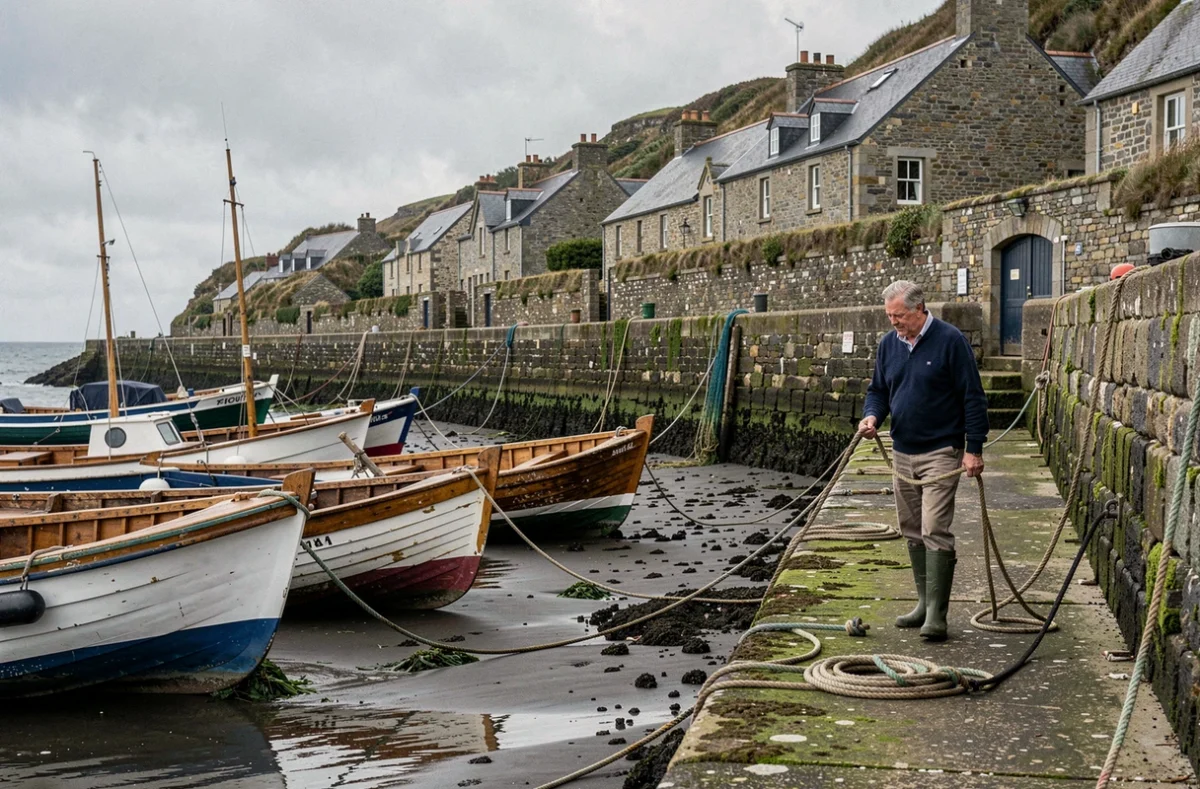
Ploubazlanec occupies a peninsula in the Côtes-d’Armor, between the bay of Paimpol and the point of l’Arcouest. This coastal commune concentrates a dense maritime heritage over just a few kilometers, some of the most varied coastal paths in Brittany, and direct access to the Bréhat archipelago. Far from the standardized seaside resorts, the village retains an identity shaped by centuries of deep-sea fishing.
Intertidal Zone and Low Tides: A Nature That Shouldn’t Be Visited Alone
Have you ever walked on a beach at low tide wondering what lives under the rocks? In Ploubazlanec, Launay beach hosts guided outings to discover the intertidal zone. A naturalist guide accompanies participants to observe the fauna, flora, and understand the mechanisms of the tides.
These sessions are scheduled according to low tide times. Their programming varies from day to day, and they remain seasonal and paid. It’s best to check the dates before planning your stay.
The approach goes beyond a simple walk. It includes learning foot fishing techniques and raising awareness of coastal risks. For families, it’s a concrete gateway to marine ecology, much more engaging than an information sign planted in a parking lot. All practical information about the commune and its activities is available on ploubazlanec.fr, especially for preparing this type of outing.
The Wall of the Missing and the Widows’ Cross in Ploubazlanec: Memory of a Fishing Commune
Ploubazlanec has not built its identity around tourism. It has built it around the sea, and the sea has taken much. The Wall of the Missing bears the names of sailors who died at sea, mainly during fishing campaigns in Iceland in the 19th and 20th centuries. This monument, simple and striking, is located in the town center.
Just a few steps away, the Widows’ Cross marks the spot where fishermen’s wives scanned the horizon waiting for the return of the schooners. These two sites are neither reconstructions nor attractions. They are places of memory rooted in the daily life of the commune.
Why stop here? Because they provide context to everything the visitor sees afterward: the ports, the granite houses, the architecture of the chapels. Understanding maritime history changes the perspective on the landscape.
The Covered Alley of Mélus, Long Before the Sailors
The heritage of Ploubazlanec does not begin with fishing. The covered alley of Mélus, a corridor-type dolmen, testifies to much older human occupation. This megalithic remnant, freely accessible, reminds us that the peninsula has attracted populations since prehistoric times.
Hiking on the GR 34 Between Ploubazlanec and Paimpol
The customs officers’ path (GR 34) crosses the commune over several kilometers. The section connecting Ploubazlanec to Paimpol runs along coves, passes through the port of Loguivy-de-la-Mer, and offers views of the bay and the Bréhat archipelago.
What distinguishes this section of the GR 34 is the diversity of landscapes over a short distance. One moves from rocky cliffs to small pebble beaches, then to wooded areas above. The terrain remains moderate, making the hike accessible for families with children.
- The port of Loguivy-de-la-Mer serves as a natural stop, with its fishing boats and the Zant-Ivy chapel transformed into an exhibition space.
- The Kerroc’h tower, on the heights, offers a wide panorama of the bay of Paimpol and the island of Bréhat.
- Several marked trails start from the town and allow for loops of varying lengths, without having to cover the entire GR 34.
Bringing a pair of ankle-supporting shoes is sufficient for most routes. The paths are maintained, but some rocky passages near the coast require a minimum of attention, especially in wet weather.
Bréhat from Ploubazlanec: The Shortest Crossing
The ferry terminal at the point of l’Arcouest is located in the neighboring commune, but just a few hundred meters from Ploubazlanec. The crossing to Bréhat Island takes about ten minutes, making it one of the shortest maritime trips in Brittany.
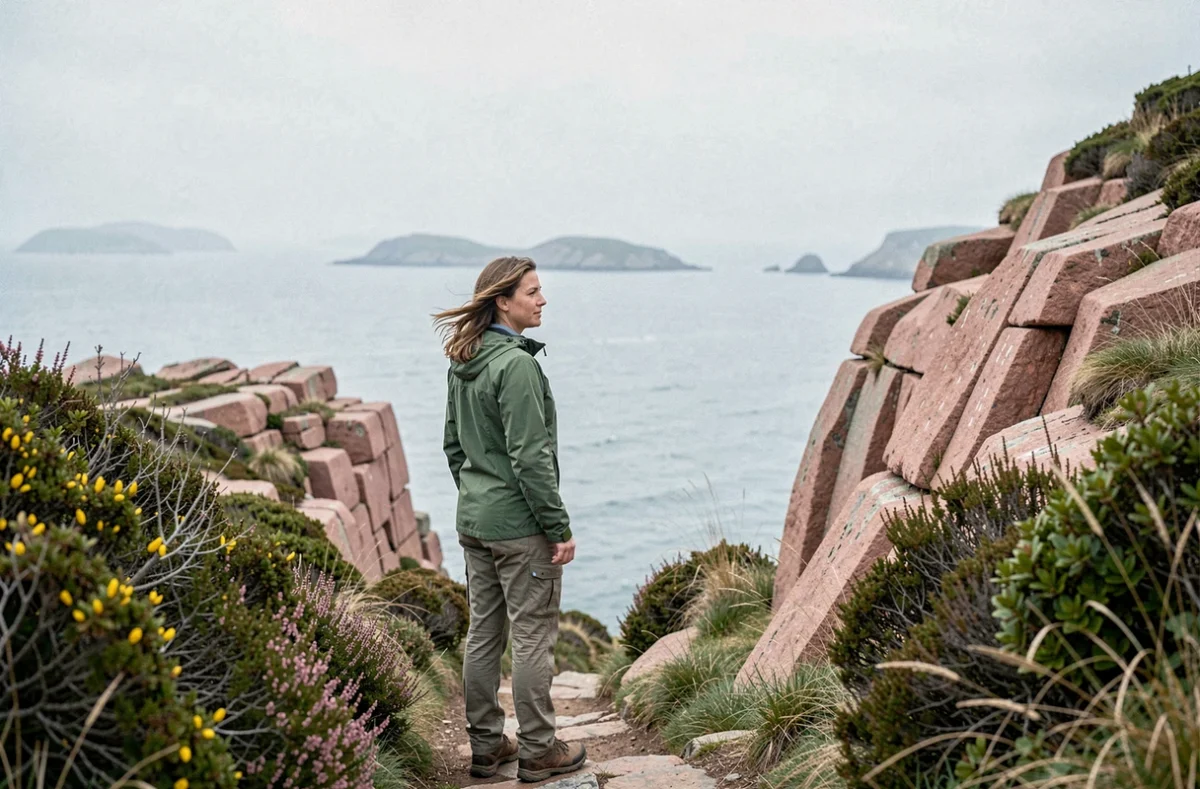
Bréhat is known for its almost Mediterranean vegetation, its car-free streets, and its pink granite coasts to the north. Staying in Ploubazlanec rather than on the island allows for a combination of visiting the archipelago with activities on the mainland, without the logistical constraints of island accommodation.
Plan According to the Tide, Not the Clock
The shuttle schedules vary with the tides. At low tide, boarding sometimes takes place from a different point. Checking the schedules the day before avoids unpleasant surprises. In high season, queues can be long in the morning. Departing in early afternoon often offers a calmer crossing.
Chapels and Granite: The Built Heritage of Ploubazlanec
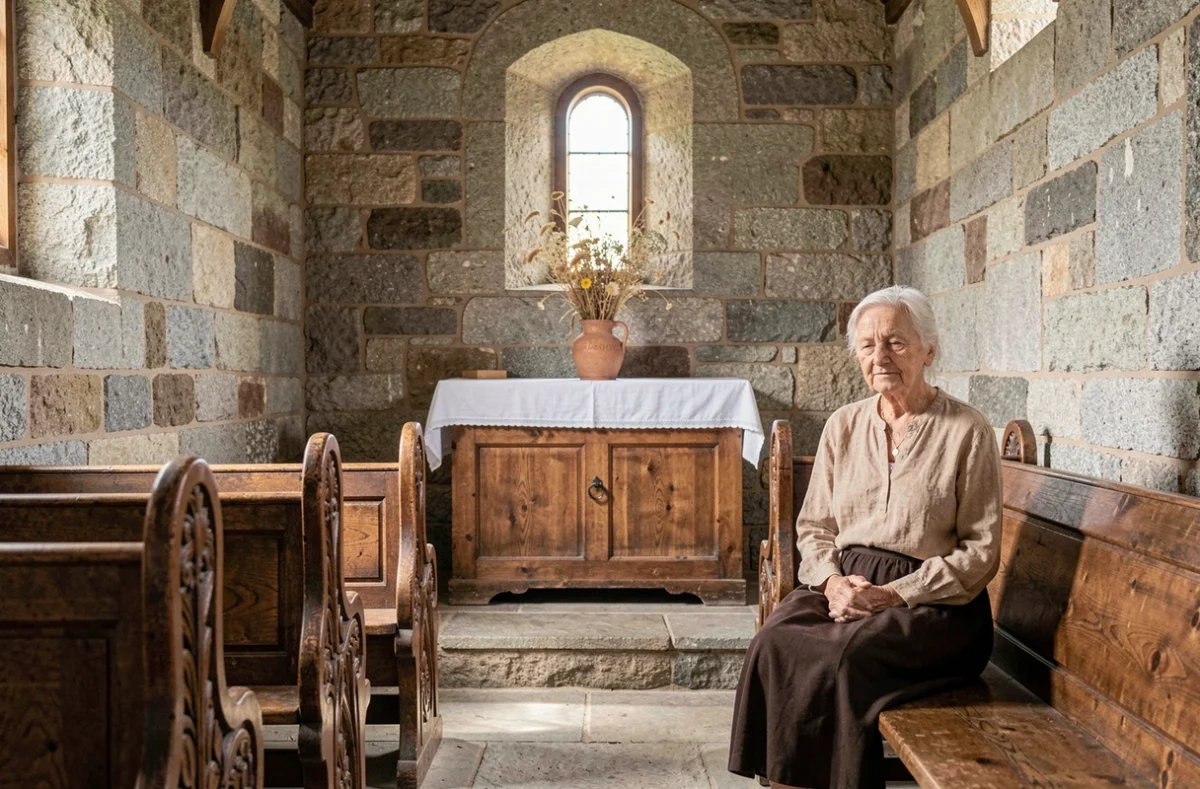
The chapel of Perros-Hamon and the Zant-Ivy chapel at the port of Loguivy-de-la-Mer illustrate two facets of the local religious heritage. The first retains typical rural architecture of the Trégor-Goëlo. The second has been converted into an art gallery and hosts exhibitions throughout the year.
Granite structures the entire built environment of the commune, from garden walls to house facades. This material, locally quarried for centuries, gives the village a visual coherence that more recent seaside resorts lack.
Ploubazlanec is not just a list of sites to check off. The commune functions as a whole where nature, maritime history, and built heritage respond to each intersection of paths. The best advice for discovering it is to take the time to walk, observe the intertidal zone when the sea recedes, and let the landscape tell what the schooners no longer bring back.