Horse riding engages muscle groups, a relationship with the animal, and psychomotor skills that few sports combine simultaneously. Measuring these benefits requires distinguishing between physical development, emotional balance, and the relationship with the horse, three areas whose effects vary according to the rider’s age and type of practice.
Insurance coverage and animal welfare: two angles rarely addressed by equestrian centers
Most articles on the benefits of horse riding overlook two subjects that condition the quality of the practice. The first concerns insurance: the federal license does not automatically cover the rider’s bodily injuries, their personal equipment, or the interruption of their activities. Only civil liability is included as standard.
An adult rider returning to horse riding after several years should check the exact extent of their coverage before mounting. Individual accident insurance supplements remain optional, but their absence can turn a minor fall into a financial burden.
The second angle concerns pedagogy. Institutions are evolving their sessions to better address the fundamental needs of the horse: groundwork is gaining ground in group lessons. This approach enhances the benefits for the rider by adding a dimension of observation and non-verbal communication from the very first lessons.
On equitorne.fr, searching for an equestrian center that meets these criteria allows you to compare facilities near you.
Physical benefits of horse riding: children and adults engage different muscle chains
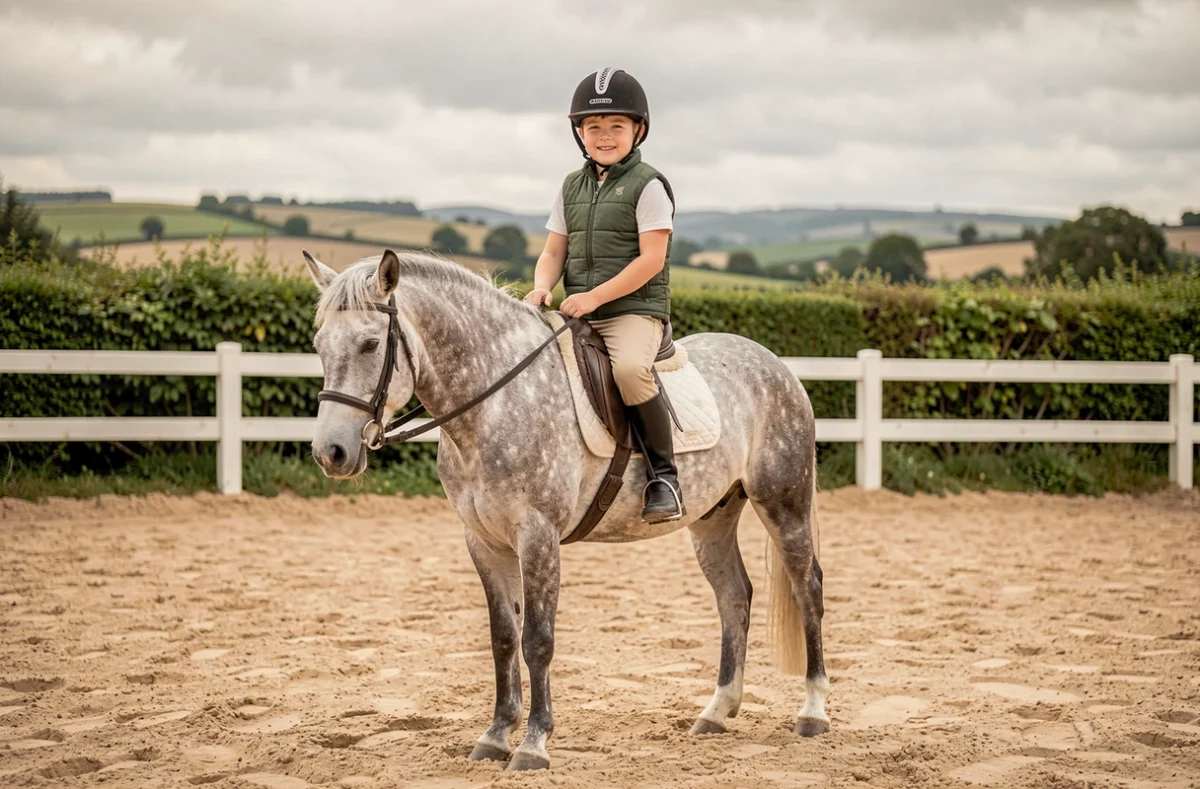
A six-year-old child on a pony and an adult riding a club horse do not work on the same things at all. The table below summarizes the main differences.
| Criterion | Child (pony club) | Adult (group lesson or trail ride) |
|---|---|---|
| Main muscles | Abdominals, adductors, back muscles (posture in development) | Quadriceps, glutes, lats (strengthening and stabilization) |
| Balance | Learning the center of gravity on a moving animal | Proprioceptive readjustment, often altered by sedentary behavior |
| Cardio | Low at a walk, moderate at a rising trot | Moderate to sustained depending on the pace and duration of the session |
| Joint risk | Very low (low-impact sport) | Low, but caution is needed for the lower back if posture is incorrect |
However, one common point crosses all ages: horse riding is a low-impact sport, which limits joint impacts compared to running or football. This characteristic makes the discipline accessible to overweight individuals or those in rehabilitation.
Posture and back: a conditional benefit
The requirement for verticality at a trot and canter engages the paravertebral muscles. Children who spend several hours a day sitting in class or in front of a screen find a direct counterbalance in this. The nuance lies in the guidance: a poor posture repeated in the saddle can cause contractions rather than relieve them.
An instructor who corrects the position of the pelvis and shoulders at each session makes all the difference. This is a concrete criterion for choosing an equestrian center.
Adaptive riding and equine therapy: two distinct practices
Adaptive riding adjusts the sport to individuals with disabilities, while equine therapy uses the relationship with the horse in a therapeutic setting supervised by a healthcare professional. Confusing the two leads to mismatched expectations.
Adaptive riding retains the goal of technical progression (gaits, figures, independence in the saddle). Equine therapy, on the other hand, aims for psychomotor, cognitive, or emotional objectives without necessarily involving riding. Both approaches share contact with the animal, but neither the practitioners nor the protocols are the same.
For a child with attention disorders or an adult in a state of chronic stress, identifying the right program before enrolling avoids months of inappropriate practice.
Choosing an equestrian club: concrete criteria beyond proximity
The distance from home weighs in the choice, but it should not be the only filter. Several elements deserve verification before enrollment.
- The size of groups in group lessons: beyond eight riders per instructor, the time for individual correction drops drastically, especially for beginner children.
- The condition of the horses: a horse or pony suited to the rider’s build and level conditions safety and progression. A club that consistently assigns the same horse to a rider fosters the development of the bond.
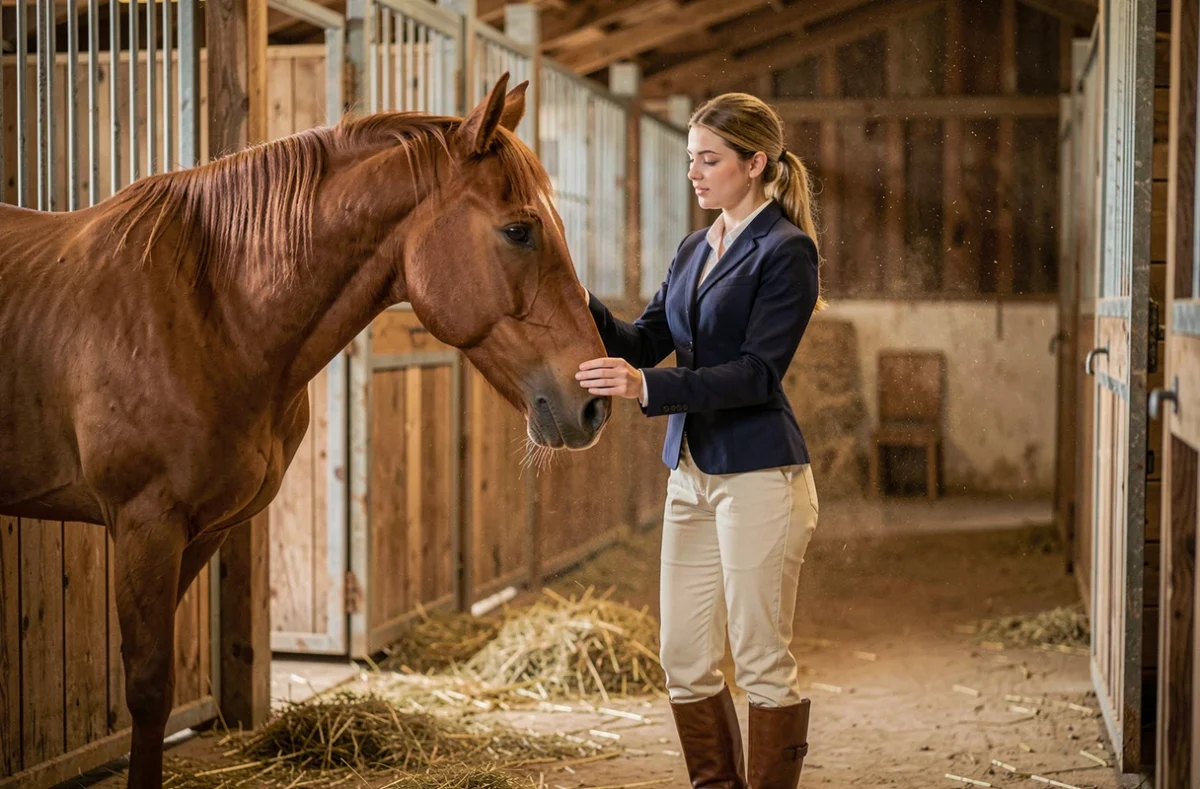
- The place of groundwork in the program: centers that integrate grooming, lunging, and observing equine behavior from the first lessons develop more well-rounded riders.
- Transparency about additional fees: federal membership, supplemental insurance, competition or trail ride fees are not always included in the advertised package.
A good equestrian club trains independent riders, not consumers of carousel rides. Technical progression and understanding of the animal should advance at the same pace.
Complementary activities: trail rides and events
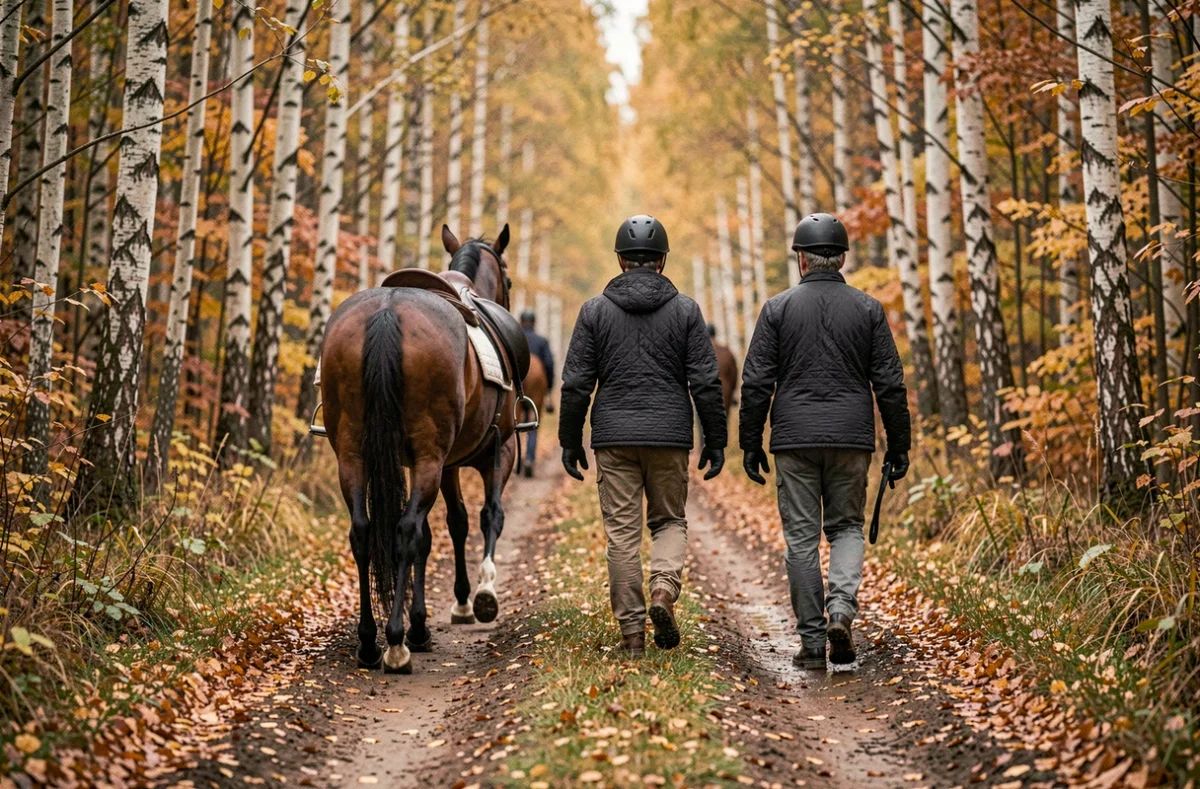
Outdoor trail rides provide a dimension that the arena cannot replicate: terrain management, adaptation to the unexpected, reading the horse’s behavior in an open environment. For children, this is often the trigger for passion.
Some clubs organize seasonal events (open house days, camps during holidays) that allow testing the facility without commitment. These moments provide a reliable insight into the atmosphere, the condition of the facilities, and the relationship between instructors and horses.
Horse riding remains one of the few sports where the partner is not a human teammate but an animal weighing several hundred kilos. This uniqueness imposes a rigor and attention that transcend the sporting framework, regardless of the rider’s age. Checking insurance coverage, choosing a club attentive to the welfare of its horses, and distinguishing between adaptive riding and equine therapy are three steps that transform a simple enrollment into sustainable practice.