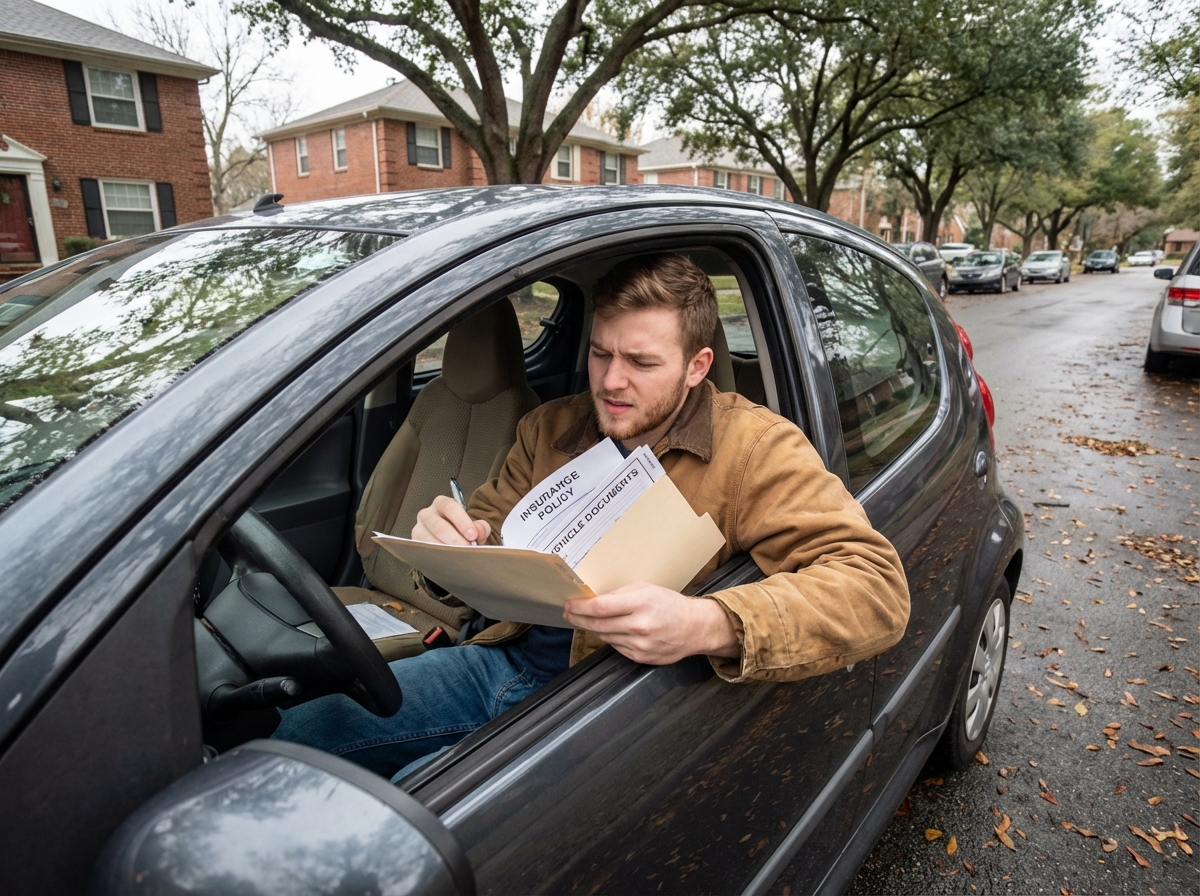
In France, a novice driver pays on average two to three times more for their car insurance than an experienced driver. The young driver surcharge can reach 100% in the first year, before gradually decreasing under certain conditions. However, some companies offer specific plans or support mechanisms that reduce the cost right from the subscription.
The price differences, often unknown, are explained by strict criteria imposed by insurers:
- Age of the license
- Driving history
- Type of vehicle
- Place of residence
However, there are concrete ways to obtain better coverage without breaking the bank.
Young driver: why car insurance is a necessary (and often dreaded) step
First kilometers, first responsibilities: the young driver approaches the road with caution, sometimes anxiety. However, the legislation leaves no choice. Insuring one’s vehicle is a legal obligation:
- Driving without car insurance exposes one to immediate penalties, fines, or even vehicle immobilization at the slightest control.
In addition to this constraint, there is financial pressure. The surcharge on the insurance contract quickly becomes a headache for novice drivers.
From the insurer’s perspective, a young driver, with less than three years of license or their first contract in their name, represents a real statistical risk in terms of responsible claims. The numbers speak for themselves: the frequency of responsible accidents skyrockets in this age group. The result: the young driver insurance price rises, weighed down by a bonus-malus that starts at zero. Even accompanied driving does not eliminate all doubts from insurance companies.
However, it is still possible to find young driver car insurance at a less discouraging rate. Digital tools, like this car insurance comparator, highlight the diversity of offers and levels of protection. In just a few clicks, the young motorist can view the plans best suited to their profile, taking into account the car model, coverage needs, and any previous insurance history.
This daily challenge raises the question: do companies really know how to support the learning of automotive independence? Price, of course, remains the primary compass, but the quality of protection and the ability to intervene in the event of a claim should never take a back seat. To insure a young driver, one must carefully balance regulatory requirements and budget constraints. The balance is never guaranteed.
What options and coverage should be prioritized to properly protect one’s first vehicle?
Crossing the threshold of the first car often means making delicate choices. Young drivers face high rates, which may push them to stick to the most basic plan. But the initial savings can be costly if the unexpected strikes. The third-party plan, essential to be compliant, only covers civil liability: it takes care of damages caused to others, never to oneself. It’s tempting for the wallet, but risky as soon as one drives a newer or more valuable car.
To drive with peace of mind, the comprehensive plan protects one’s vehicle against theft, fire, vandalism, or accidental damage. Between these two plans, there is an intermediate option: the extended third-party plan (or intermediate), which adds specific guarantees:
- Theft
- Glass breakage
- Natural disasters
A relevant compromise to combine budget control and peace of mind.
Beyond the basic guarantees, several options deserve consideration:
- The driver protection covers bodily injury, even if the accident is the driver’s fault.
- 0 km assistance provides help, even at home or at the foot of the building.
- The defense recourse is invaluable in case of disputes.
Every detail counts: deductibles, compensation limits, coverage for the new value of the vehicle… Some contracts automatically exclude accessories or limit coverage based on the car’s age. Vigilance is required: it is better to tailor the plan to actual usage rather than just the temptation of the minimal rate. Protecting one’s first car is betting on caution.

Comparing offers: tips and advice for finding the best value for money
Putting car insurance offers in competition is primarily a matter of method. For a young driver, several observations are necessary:
- Car insurance prices vary significantly between companies, directly reflecting the applied surcharge.
- But behind each proposal, there are many specificities.
To navigate this, demand detailed quotes and compare each item: level of deductible, compensation limits, exact nature and extent of guarantees. An attractive price can sometimes mean a low-quality coverage or a bill that swells after the first bump.
- Inquire about how the bonus-malus system works: a bump can increase the premium for several years.
- Scrutinize the options dedicated to young drivers: assistance, vehicle loan, legal protection.
- Look closely at the conditions reserved for accompanied driving: some insurers reduce the surcharge for profiles that have undergone this training.
Comparing is not just about hunting for the lowest price. The quality of customer service, the speed of handling a responsible claim, and flexibility for cancellation are points that make a difference, especially when trouble arises. Don’t hesitate to ask insurers about the management of claims: simplicity, advice, timelines. A car insurance for young drivers inspires confidence when it promotes transparency and support, well beyond the displayed figure. Ultimately, choosing is also about giving oneself the chance to drive with a lighter mind.