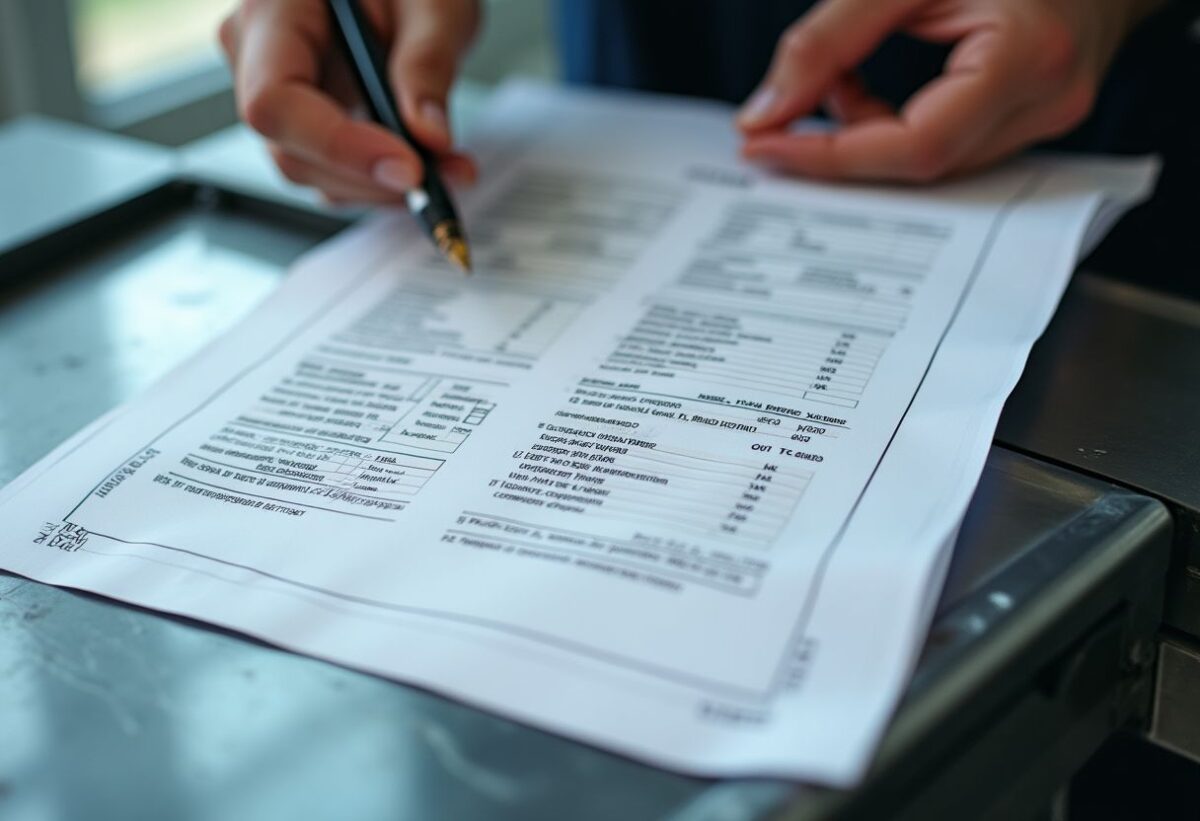
The printing of ballots is a fundamental step in the electoral process, a key moment where every detail matters to ensure that nothing is left to chance. Before the presses start rolling, it is imperative to ensure that all necessary documents have been gathered and are ready to be sent to the printer. From technical specifications to legal validations, every piece of the puzzle must fit perfectly to guarantee not only the quality but also the compliance of these essential documents for our democracy. Careful preparation is the key to success, as it not only ensures deadlines are met but also that the final product will meet all expectations, both in terms of content and presentation.
Technical Specifications
When you are about to work with a printer for the production of your ballots, it is crucial to provide them with clear technical specifications. This information ensures that the final product will meet your expectations and legal requirements.
- Format and dimensions: define whether the ballot will have a standard or custom shape.
- Paper type: choose the appropriate weight and finish to ensure good handling and superior print quality.
- Colors: specify the exact colors to be used, mentioning Pantone or CMYK codes.
- Quantity: inform the printer of the volume to be produced to ensure effective stock and deadline management.
Graphic Files
Graphic files are the visual core of the ballot. Their quality and precision determine the aesthetic appearance of the final product. To achieve this, a few simple but essential rules must be followed.
It is imperative to provide high-resolution files, generally in PDF format, ensuring optimal print quality. The files should be prepared with the appropriate bleed margins and include bleed areas to avoid any issues during cutting. Don’t forget to embed the fonts or vectorize them to avoid unexpected substitutions.
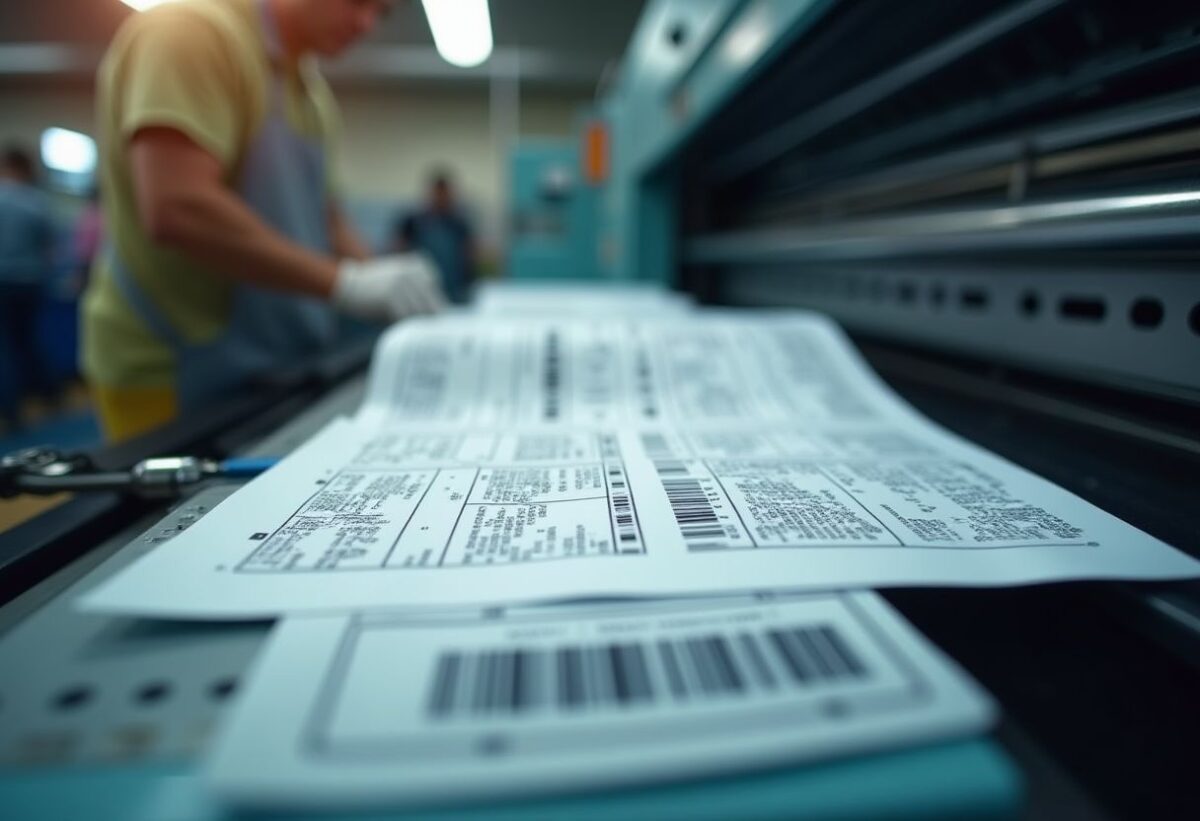
Legal Mentions and Information
Complying with legal mentions is a mandatory obligation for any ballot printing. These elements ensure the compliance of the ballots with current laws.
- Name and surname of candidates: each ballot must clearly identify the individuals running.
- Logos of political parties: if applicable, they must be present and correctly positioned.
- Mandatory mentions: include all information required by local or national legislation.
- Permissions: ensure that all necessary permissions have been obtained for the use of certain graphic or textual elements.
Proofs of Validation
Before definitively launching production, it is essential to conduct a thorough validation of the proofs. This step allows for checking that everything is in order and meets expectations.
Digital or physical proofs must be carefully inspected to detect any errors or omissions. A careful verification of texts, graphics, and colors is crucial to ensure that everything is accurate and faithful to the initial specifications. The final validation, often done by several people, ensures that no detail has been overlooked.
The preparation of the necessary documents for printing ballots is a task that requires rigor and precision. Every element, whether it is the technical specifications, graphic files, legal mentions, or proofs of validation, plays a key role in the success of the endeavor. Effective coordination among all these components is essential to ensure that the final result is not only up to expectations but also fully compliant with legal and aesthetic requirements.