Subnautica, an underwater odyssey that captures the essence of exploration and survival, captivates players with its stunning aquatic landscapes and mysterious wildlife. The depths of this virtual world are teeming with diverse biomes, each possessing its unique ecosystem and hidden dangers. From luminescent abysses to colorful reefs buzzing with life, the secrets of these marine habitats await revelation, offering adventurers a glimpse into the wonders and perils that lie beneath the waves of this foreign and fascinating planet.
The Ecological Mysteries of Subnautica’s Biomes
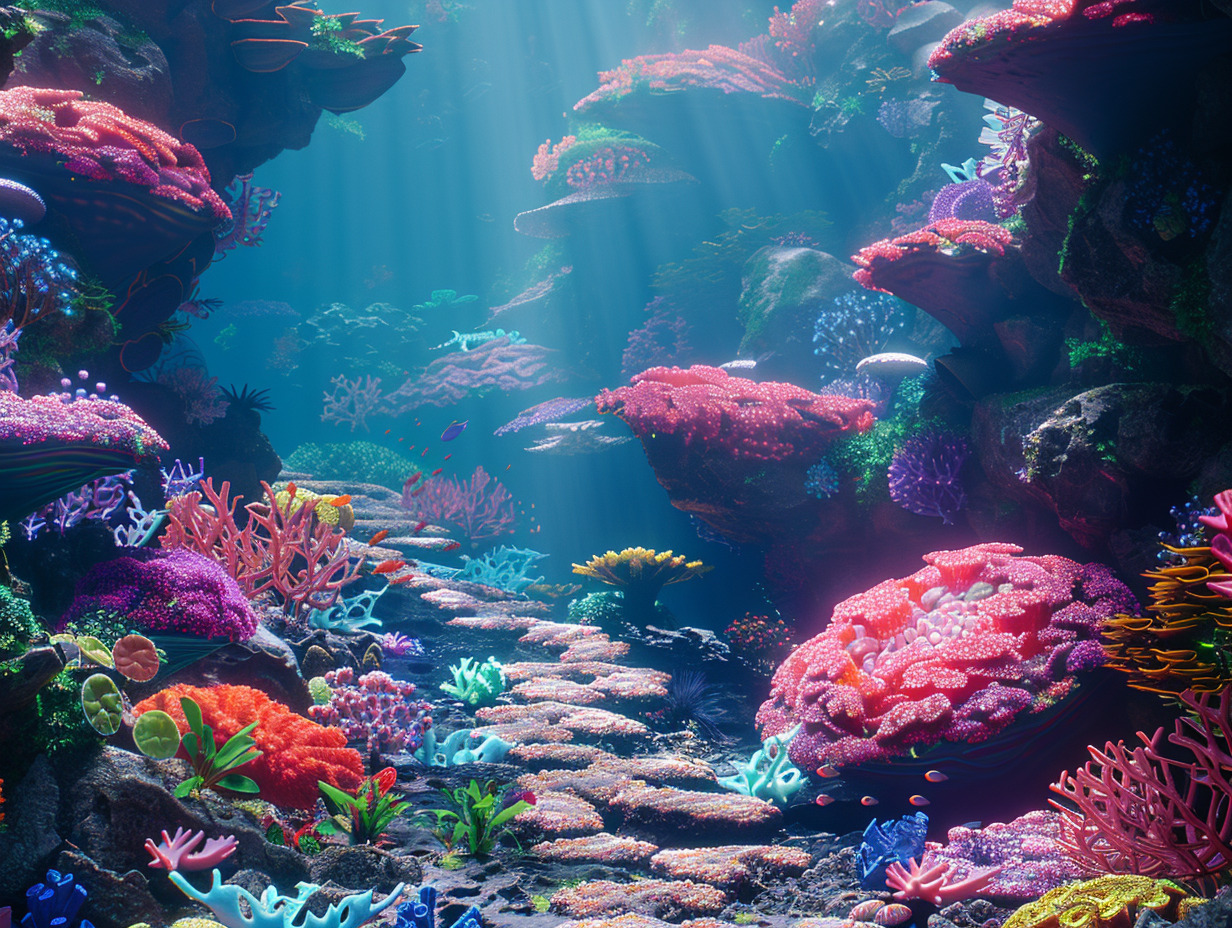
At the heart of the Subnautica universe, the Subnautica map reveals a constellation of biomes, each a singular ecosystem with striking biodiversity. Take the Grand Reef, for example, an underwater topography where light fractures into myriads of beams through immense coral structures. This habitat, populated by endemic flora and fauna, unveils a spectacle of colors and shapes that defies imagination. Further on, the mysterious Biome of the Depths invites a descent into the abyss, where twilight reigns supreme and every encounter with deep-sea creatures could be as fascinating as it is deadly.
The wreck of the Aurora, lying in the dark waters of planet 4546B, presents a whole different type of ecological challenge. Amid its torn walls and exposed metal framework, opportunistic marine life thrives, adapting to the crevices of failing human technology. This unique environment is a survival tale in itself, an artificial ecosystem colonized by the most resilient species on the planet. Explorers must exercise caution, as dangers extend beyond aggressive fauna to potentially unstable technological remnants.
Subnautica adventurers discover the Alien Conduit Access Point, a location intricately woven into the very fabric of the game, blending science fiction and virtual reality. This passage to unknown technology, belonging to an advanced extraterrestrial civilization, offers not only a novel visual spectacle but also a glimpse into the narrative prowess that the game has to offer. Exploring Subnautica is to dive into a story where each biome is a chapter, each species a character, and the player, the narrator of a multifaceted underwater epic.
Survival Techniques and Crafting Secrets in the Subnautica Ecosystem
Resource management proves fundamental in the liquid expanses and depths of planet 4546B. Players, equipped with their scanner, set out in search of the materials necessary for their survival. This tool, essential for exploration, allows players to catalog the encountered flora and fauna, as well as decipher the secrets of various technological elements scattered across the seabed. Data collection becomes a strategic issue, enabling the unlocking of blueprints for construction to progress in the game.
Vehicles, such as the Lifepod or the Aurora, are not merely means of transport but true mobile command centers. They are at the heart of meticulous planning, allowing players to move safely and extend their range. The Lifepod, in particular, serves as a lifeline for space castaways, providing them with temporary refuge against external threats and a starting point for their excursions in hostile environments.
Behind the complexity of Subnautica lies the expertise of the development studio Unknown Worlds Entertainment. With a background forged on titles like Natural Selection, Zen of Sudoku, and Decoda, the studio employs tools such as the Spark and Unity game engines, as well as the Lua programming language, to bring this immersive underwater universe to life. The creativity of the team is evident in every detail of the game, from resource management to vehicle design, forging an experience that blurs the lines between survival simulation and narrative adventure.