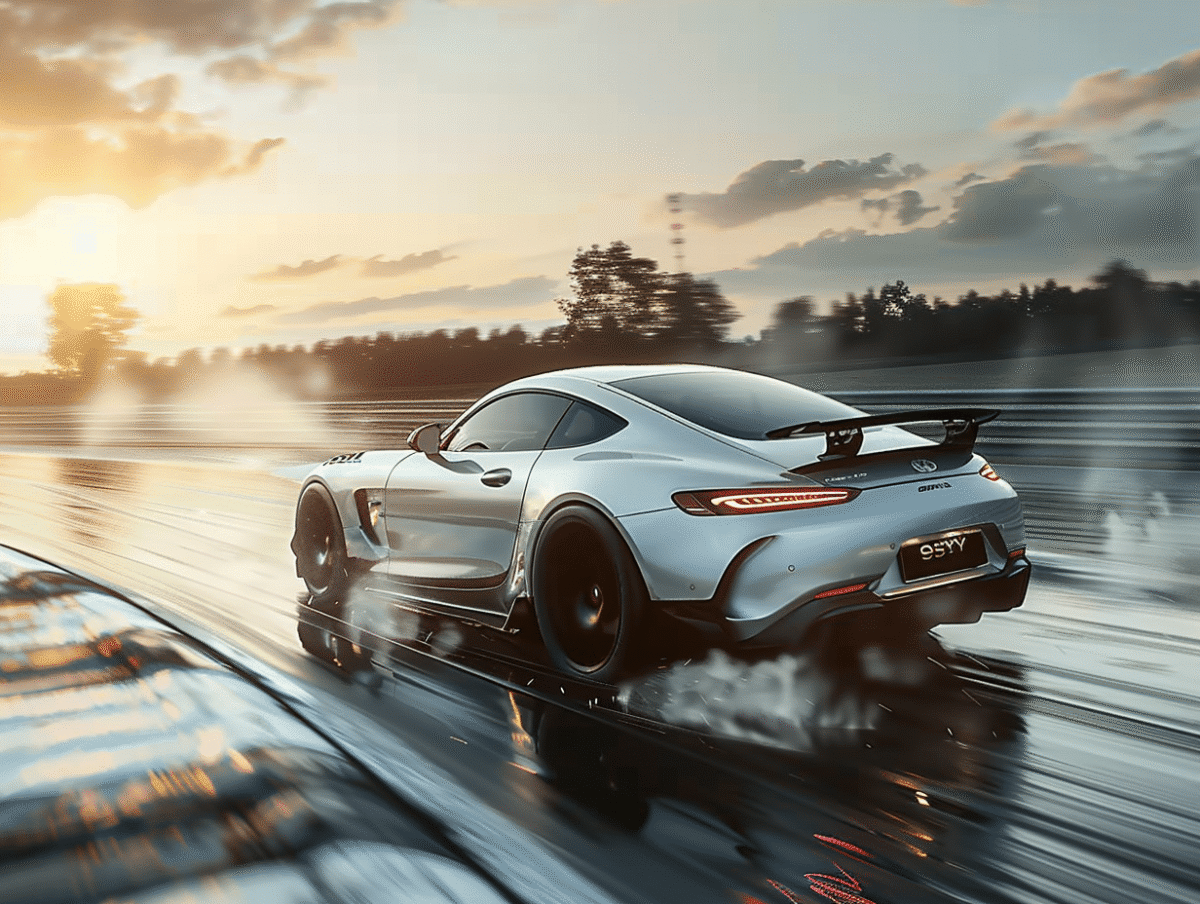
The maneuverability and stability of a car depend on a complex balance where various factors come into play. Engineers pay particular attention to weight distribution, which must be optimized for a balanced distribution between the front and rear of the vehicle. Well-calibrated suspensions also play a fundamental role, adapting to road irregularities while keeping the car stable. The center of gravity must be as low as possible to minimize roll in corners. Tires are equally important: their grip, size, and pressure are crucial for road handling. Aerodynamics, often underestimated, can significantly influence stability at high speeds.
Determining Factors for a Car’s Maneuverability and Stability
The engine placement, often overlooked, significantly affects the vehicle’s maneuverability. Depending on whether it is positioned at the front, rear, or center, the impact on driving varies. A traditional front engine is associated with increased stability, reducing the risk of oversteer and understeer. This configuration offers a weight distribution favorable for better road handling. In contrast, a rear engine promotes agility, especially in tight corners, although it can present challenges in terms of oversteer. The central engine represents the ideal compromise, combining the advantages of both front and rear configurations for optimal maneuverability.
The wheelbase also plays a crucial role in the vehicle’s response to driver commands. A long wheelbase provides better stability, particularly at high speeds, while a short wheelbase makes the car more agile and responsive. Maneuverability is therefore intrinsically linked to this dimension, which must be evaluated based on the desired performance.
The suspensions and wheels are the key components that connect the car to the road. A quality suspension absorbs irregularities without compromising stability, allowing the wheels to maintain optimal contact with the pavement. The design of the wheels, their size, and their grip directly affect maneuverability and the vehicle’s ability to stop effectively during braking.
The power and weight of the vehicle cannot be ignored. High power requires careful management of maneuverability to prevent any potential imbalance during acceleration. The weight, on the other hand, must be wisely distributed to avoid excessive concentration on the front or rear, which could impair stability. A low and centered center of gravity is the holy grail sought by manufacturers to ensure a smooth and safe driving experience.

The Impact of Technology and Innovation on Driving
The advent of electronic control systems has marked a turning point in the quest for automotive stability. These advanced technologies, such as ESP (Electronic Stability Program), compensate for the inherent stability issues related to engine placement. They intervene to adjust the trajectory, automatically correcting the vehicle’s drift. Thanks to these systems, vehicles benefit from improved road safety and a notable reduction in accident risks. Maneuverability is also optimized, offering a more precise and responsive reaction to the driver’s actions.
The innovation in transmission systems also contributes to energy efficiency and smooth driving. Modern automatic transmissions, with their multiple gears, allow for smoother gear changes and constant adaptation to engine speed. This sophistication leads to reduced fuel consumption and a more serene and controlled driving experience. The transmission thus becomes a key element for navigating effortlessly between the demands of power and the need for energy efficiency.
Advancements in braking systems are a fundamental pillar of safety and maneuverability in modern vehicles. Responsive and fatigue-resistant brakes are essential for effective deceleration, especially in emergency situations. Computer-assisted braking systems, such as ABS (Anti-lock Braking System), ensure that the wheels do not lock during intense braking, allowing the driver to maintain control of the vehicle. The ability to stop quickly and safely is inseparable from controlled and reliable driving.