
Managing feline waste is a major concern for environmentally conscious cat owners. In light of the impact of traditional litter on landfills and its contribution to pollution, sustainable solutions are being sought. Eco-friendly alternatives, such as biodegradable or compostable litters, are gaining popularity. They promise a reduced carbon footprint while providing adequate hygiene for domestic felines. Adapting cleaning habits and choosing responsible products can significantly lessen environmental damage while ensuring the well-being of these pets.
The Environmental and Health Issues of Feline Waste
The issue of feline waste goes beyond simple domestic management; it is part of a broader context of environmental respect and public health preservation. Pet waste poses a problem with a notable environmental impact. Indeed, cat feces, if not managed properly, can contribute to soil and groundwater pollution, thereby affecting ecosystems and biodiversity. This is a reality often overlooked, but it deserves particular attention in our consumption patterns and household waste management.
Regarding public health, feline waste can transmit harmful pathogens to humans. Toxoplasmosis, E. Coli, and other infectious organisms can enter the environment through poorly managed feces. How to manage your cat’s waste then becomes a consideration that is not only ecological but also sanitary. Raising awareness among pet owners about these issues is essential to encourage more responsible practices.
In this perspective, it is important to promote waste management practices that are both effective and environmentally friendly. Pet owners should turn to solutions that minimize their companion’s ecological impact. Options such as eco-friendly cat litter, which is a solution for managing cat waste, or pooper scoopers designed to collect feces without direct contact, help reconcile environmental imperatives with the ease of use desired by consumers.
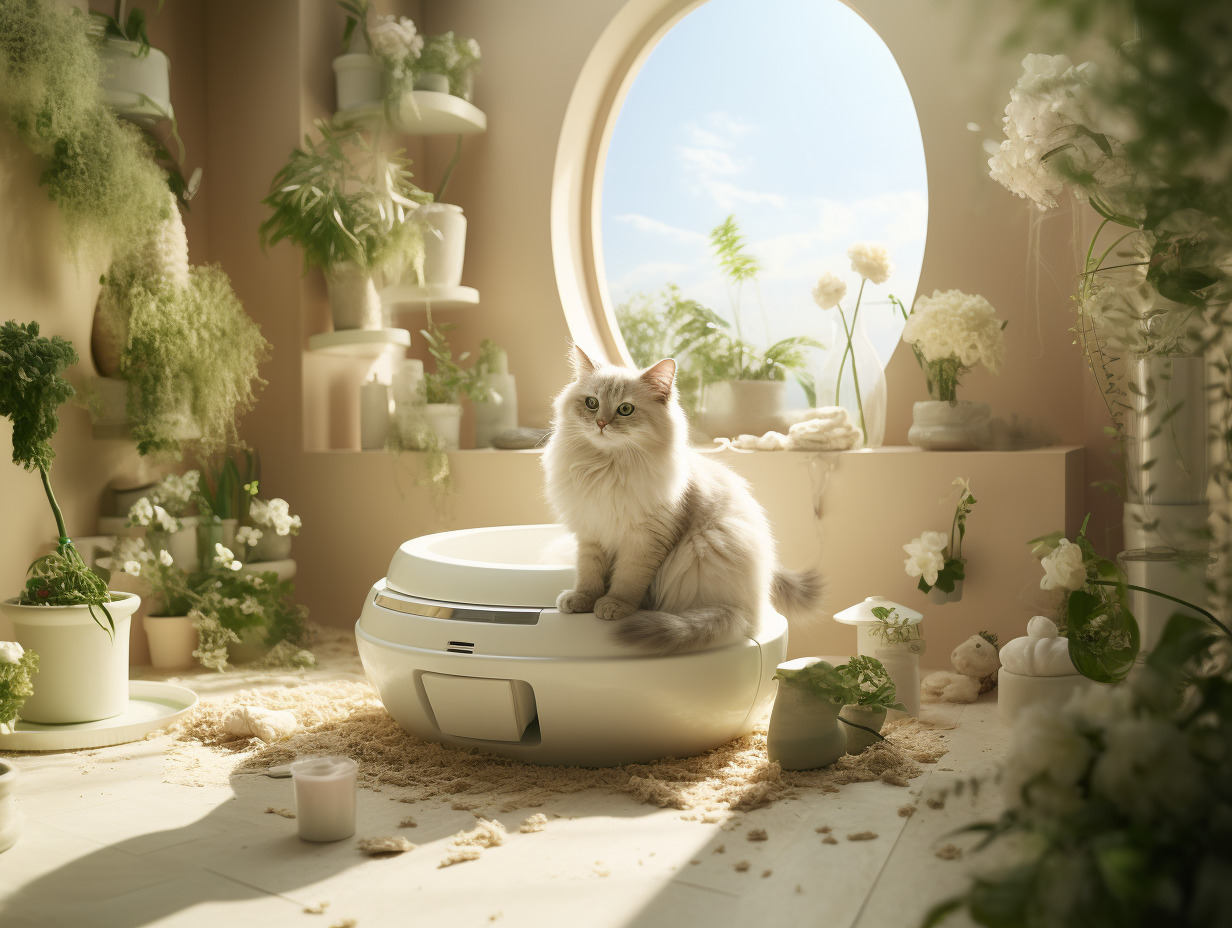
Eco-Friendly Strategies for Managing Cat Waste
Pet owners face a challenge: managing their cat’s waste in accordance with ecological principles. Awareness of the environmental impact of this organic waste leads to greener alternatives. The available eco-friendly options significantly reduce the carbon footprint of domestic felines while maintaining household cleanliness.
Cat litter, a central element in waste management, is undergoing a green revolution. Products made from biodegradable materials, such as wood, recycled paper, or plant fibers, are emerging in the market. These litters, in addition to being absorbent and easy to dispose of, decompose without leaving harmful traces for the environment. Proper management of cat waste, thanks to these products, becomes a concrete action to lighten the burden on our ecosystem.
On the other hand, pooper scoopers present a hygienic solution for owners who wish to avoid any direct contact with waste. These tools, often made from recycled or recyclable materials, allow for the safe and environmentally respectful collection of feces. The use of biodegradable, or even compostable, bags in conjunction with pooper scoopers reinforces this ecological approach by facilitating the integration of organic waste into biological recovery cycles.