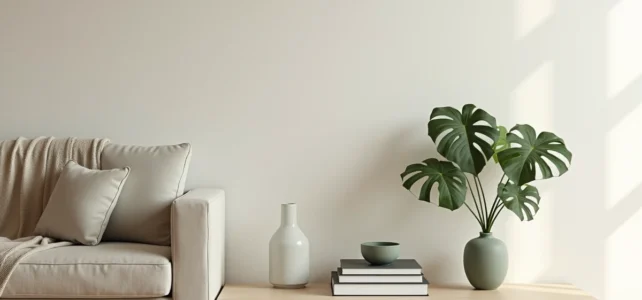
A sofa too large for the living room, three cushions too many on the bed, a shelf filled with objects that are no longer looked at: interior decoration often derails due to accumulation. Decorating and arranging a home with style does not require a substantial budget or innate talent. What makes the difference is the ability to choose less, but better, while maintaining visual coherence from one room to another.
Traffic and volumes: the true starting point for a successful home layout
Before thinking about colors or furniture, look at how you move in each room. A living room where you have to navigate around the coffee table to reach the window poses a circulation problem, not a decoration one. Clearing pathways changes the atmosphere more than a new piece of furniture.
Recommended read : Magnesium and Hair Loss: How to Naturally Protect Your Hair
Have you ever noticed that a room seems larger when the floor is visible over a large area? This is a direct effect of the density of objects on the floor. Reducing the number of low furniture (poufs, small side tables, decorative baskets placed everywhere) is often enough to breathe new life into a space.
Try a simple exercise: temporarily remove three objects from a room for a week. If you don’t miss their absence, they didn’t belong there. This approach aligns with the current trend of brands offering second-hand furniture take-back services, encouraging the preference for modular pieces.
Related reading : Reveal Your Unique Style with a Custom T-Shirt
This principle of “less but better” can be found on angiesweethome.com, where decorating ideas revolve around targeted choices rather than endless lists.
Consistent color palette for simple and effective decor
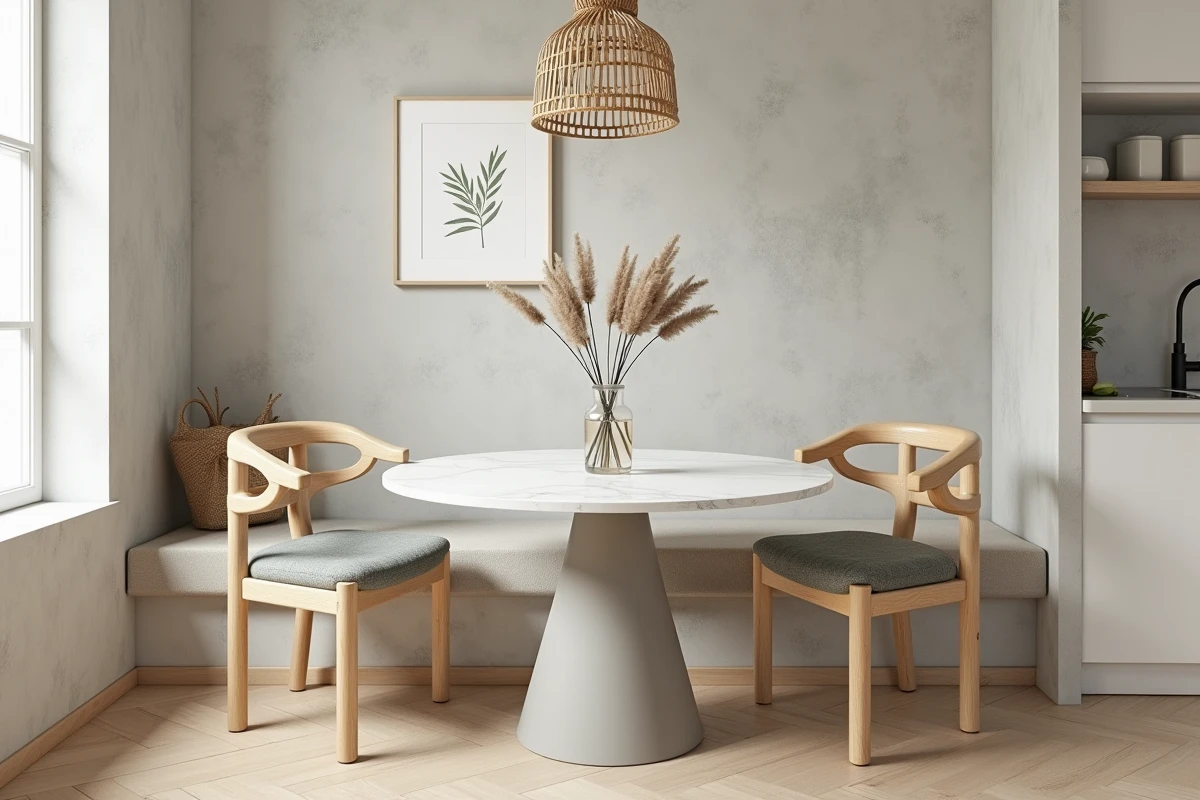
Color is the most powerful and least expensive lever in interior decoration. A pragmatic rule works in most cases: choose a maximum of three shades per room, one neutral dominant, one more pronounced secondary, and a third as an accent.
Let’s take a concrete example. In a living room, off-white walls (dominant), a blue-grey sofa (secondary), and mustard yellow cushions (accent) create a readable ensemble without monotony. Adding a fourth strong color, like a red rug, would disrupt this coherence.
Common mistakes with colors in home decor
- Painting each room in a completely different shade, which fragments the home and gives a patchwork impression right from the hallway
- Choosing a color on screen without testing it on the wall, as the same green can turn grey under northern light
- Forgetting the floor and woodwork in the color palette calculation; a honey oak floor already counts as a warm color
- Multiplying patterns (stripes, florals, geometric) in the same room, which cancels out the effect of each
A tip that avoids many mistakes: buy a small sample pot and apply two coats on a square of at least 50 cm on each side. Observe the result at different times of the day. Natural light radically alters the perception of a color.
Vintage furniture and objects: a defined style without buying everything new
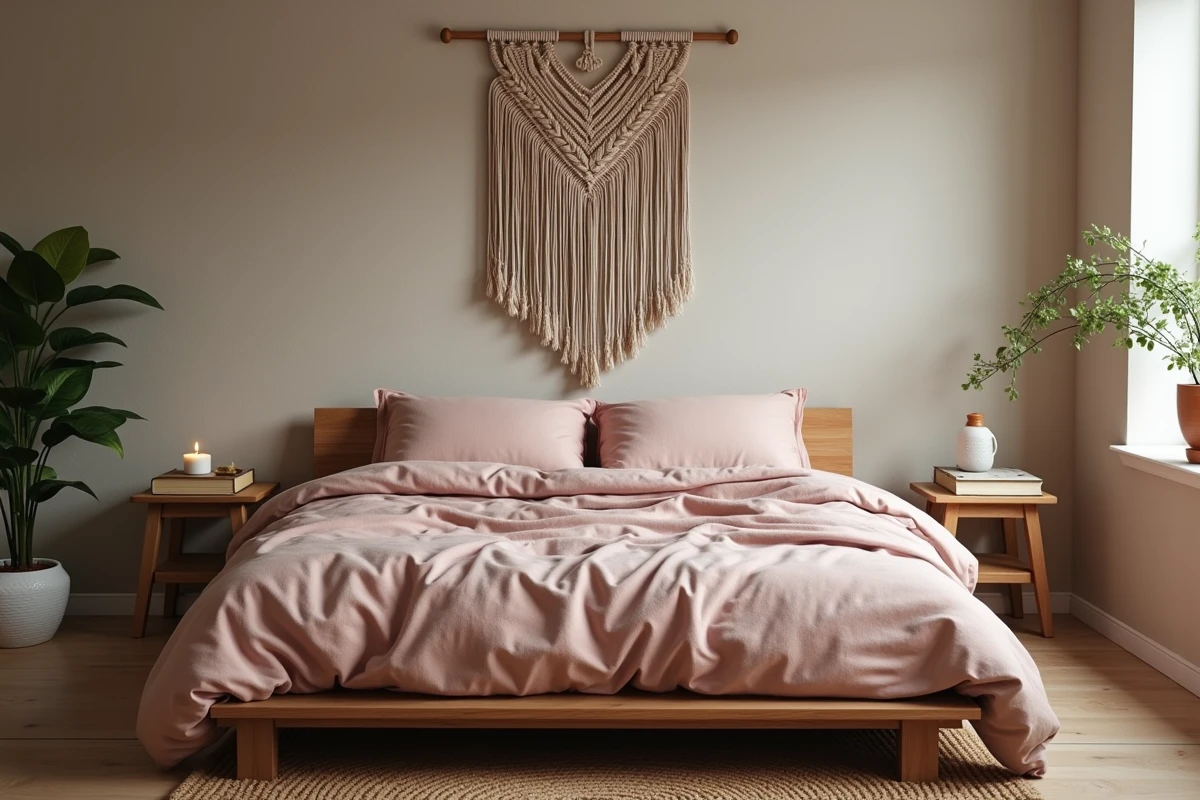
Vintage furniture (a 1960s dresser, a thrifted rattan chair, a second-hand brass lamp) immediately adds character to an interior. This type of piece has an advantage that new items do not: it tells a story. A solid wood sideboard weathered by time creates a natural focal point in a dining room, without any staging effort.
Mixing one or two vintage pieces with contemporary furniture creates an interesting visual contrast. The mistake would be to try to recreate an “all retro” interior that resembles a movie set. Vintage works best as accents, like a surprise element in a sober ensemble.
Where to find second-hand furniture suitable for your decor project
Local flea markets remain the best option for small decorative items and tableware. For larger furniture, specialized consignment shops allow you to see and touch before buying, avoiding unpleasant surprises regarding the actual condition of the wood or fabric.
Online platforms work well for specific pieces (a specific chair model, a type of light fixture). But for an inspirational approach, nothing replaces physical discovery: you don’t search for an object, you find it.
Simulating before buying: 3D visualization tools change the game
Recently, the way to plan an interior layout has significantly evolved. Several DIY and decoration brands offer augmented reality applications that allow you to project a piece of furniture, flooring, or paint directly into your room via your smartphone screen.
Testing how a sofa looks in your living room before buying it is no longer futuristic. This type of tool primarily helps check proportions, a common issue when ordering online without having seen the furniture in a real situation.
The benefit for a simple decor project is concrete: it limits returns, impulse purchases, and size errors. It also allows you to check the density of furniture in a room before cluttering a space that was functioning well.
What visualization cannot replace
No application can faithfully reproduce the texture of a fabric or the warmth of a wood. The displayed colors depend on your screen’s calibration. 3D visualization helps validate a layout, not choose a material. For touch, weight, and the smell of leather or linen, visiting a store or showroom remains irreplaceable.
- Use 3D to validate dimensions and traffic in the room
- Order physical samples for fabrics, wallpapers, and flooring
- Compare the screen rendering with a paper color chart for paints
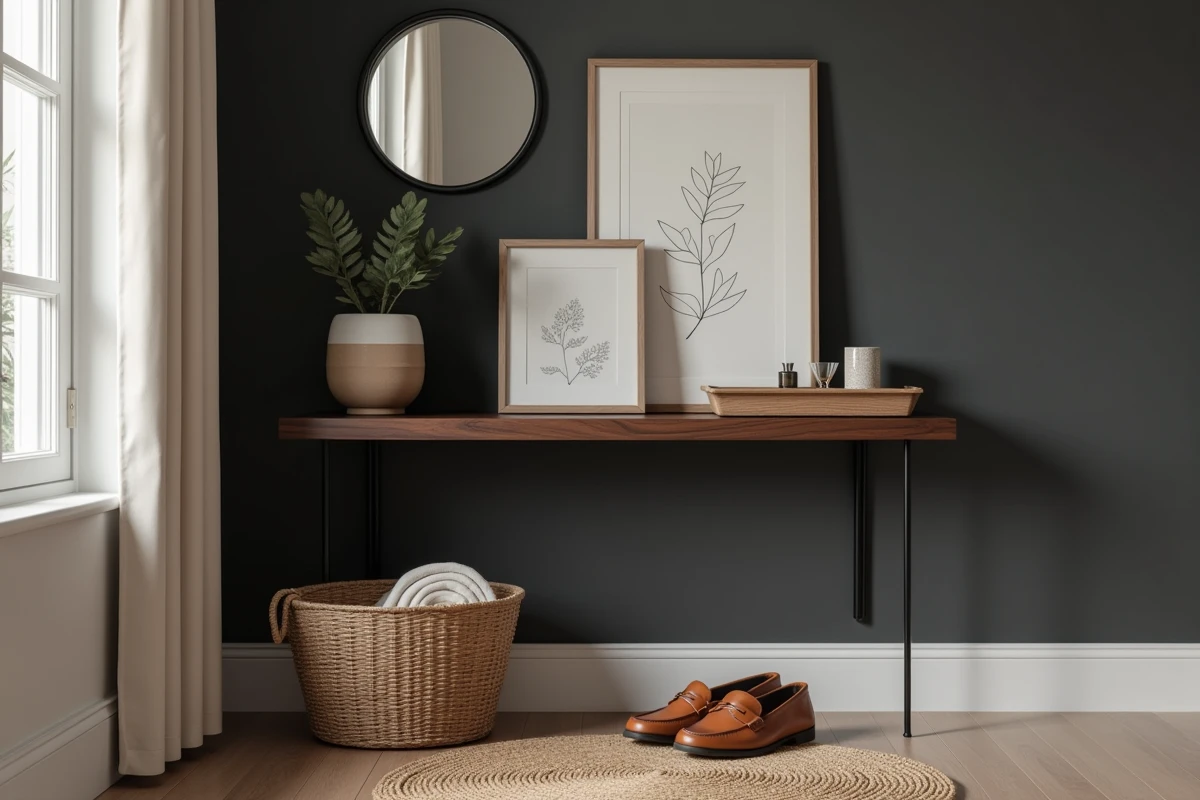
Decorating simply means first accepting that each room does not need to be “finished.” An empty wall, a corner without furniture, a clear floor contribute just as much to the ambiance as a beautiful object. The most successful interiors always maintain a breathing space, an area where the gaze can rest without being solicited.