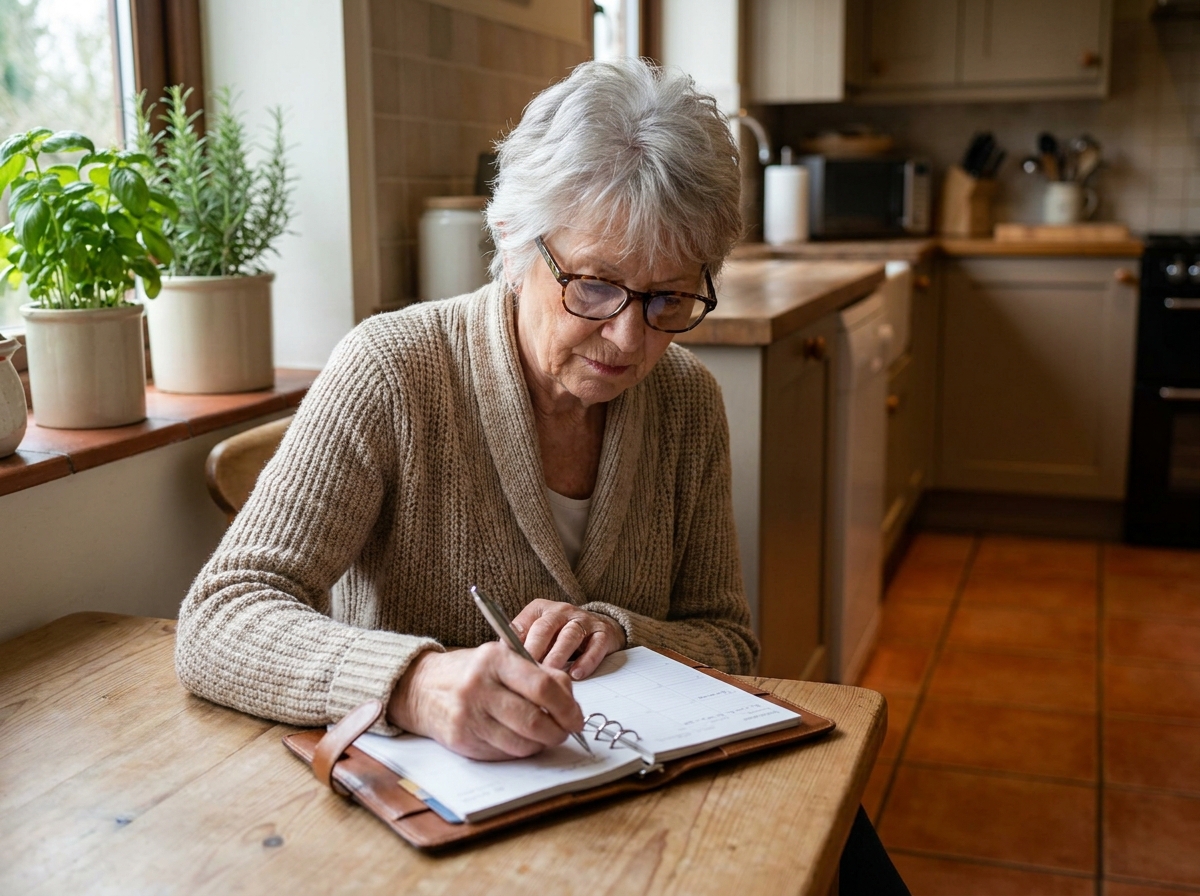
The autonomy of seniors refers to the ability to perform daily tasks independently: getting up, preparing a meal, managing their movements, maintaining a social life. Preserving this autonomy does not mean leaving the elderly person without support. A reassuring framework is built around a set of coordinated measures, from adapted housing to home assistance services, along with medical-social support tailored to the actual level of dependency.
GIR Grid and APA: Assessing Loss of Autonomy Before Acting
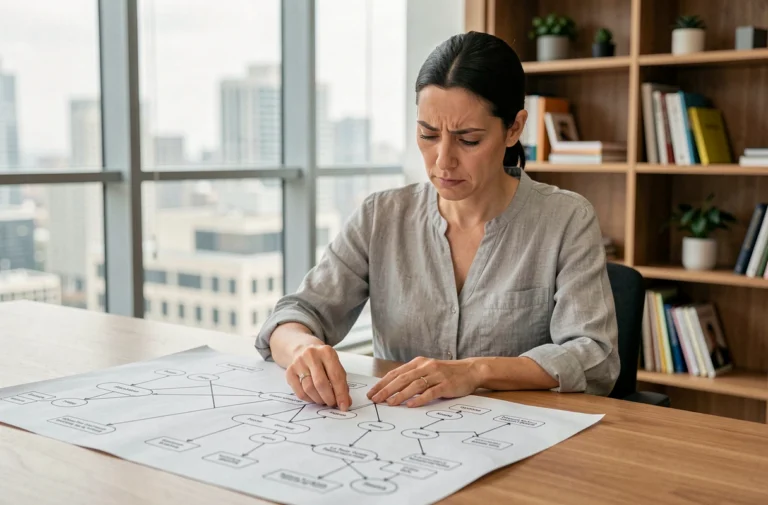
Any effort to maintain home care begins with an objective assessment. The GIR grid (group iso-resources) classifies the elderly person on a scale from 1 to 6. A GIR 1 corresponds to total dependency, while a GIR 6 indicates preserved autonomy. This classification determines access to the personalized autonomy allowance (APA), provided by the department.
The assessment focuses on specific actions: personal hygiene, dressing, eating, indoor and outdoor mobility, behavioral coherence, and orientation in time. An evaluator from the medical-social team of the departmental council visits the home to observe the person in their real environment.
The resulting aid plan lists the funded services: hours of home assistance, meal delivery, teleassistance, housing adaptations. It is this plan that transforms the diagnosis into concrete actions. Without this step, families risk implementing inappropriate assistance, either too light (risk of falls, isolation) or too heavy (loss of the feeling of control over one’s own life).
Some establishments have indeed rethought their approach to become true dynamic living spaces, as evidenced by the evolution observed in certain ehpad Toulon where support adapts to the rhythm of each resident.
Housing Adaptation and Daily Safety
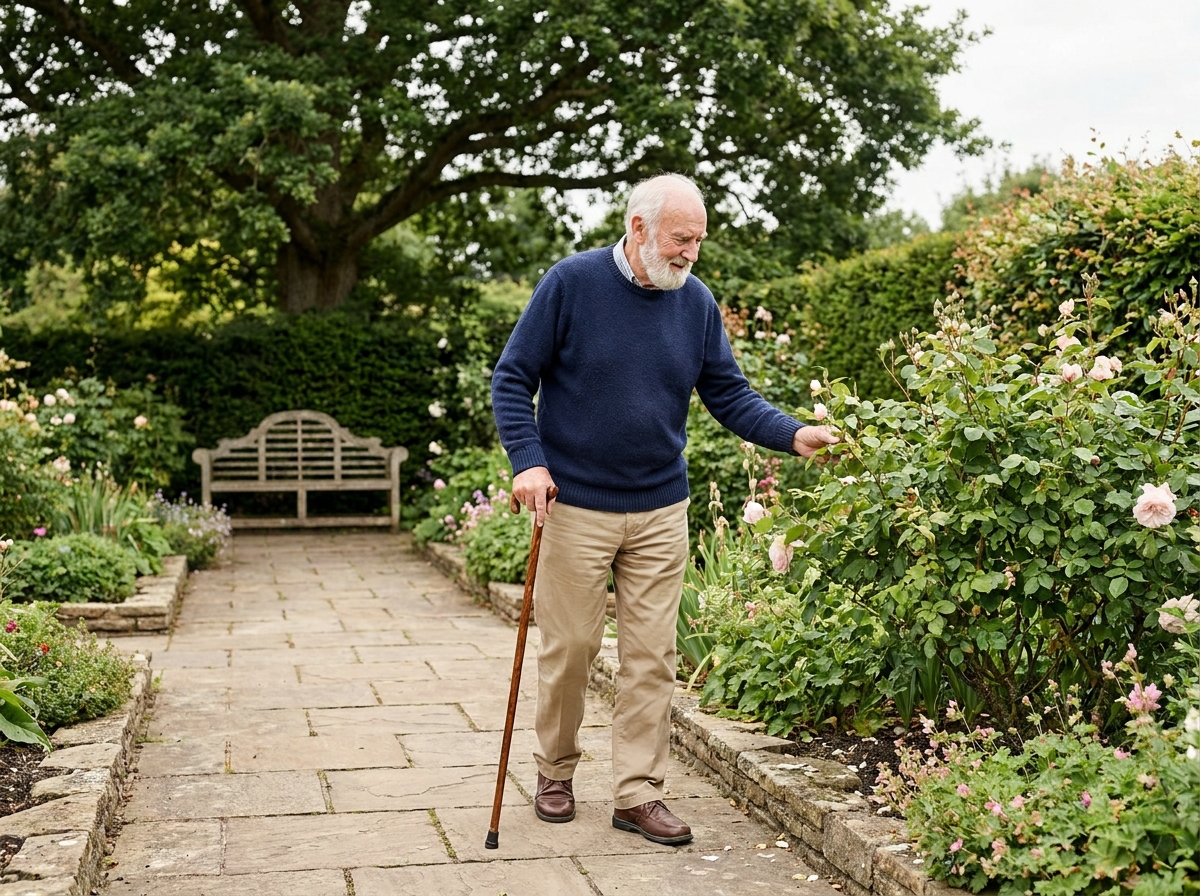
The home remains the primary place where autonomy is gained or lost. A slippery floor, a staircase without a handrail, a bathtub to step over: these ordinary obstacles cause a considerable number of falls among seniors each year. Falls are the leading cause of sudden loss of autonomy after age 65.
Adapting the home is not limited to installing a grab bar in the bathroom. A coherent approach covers several areas:
- Automatic night lighting in hallways and bedrooms to secure nighttime movements without fully waking the person
- Replacing the bathtub with a walk-in shower with a folding seat and non-slip floor
- Installing a lighted path between the bedroom and the bathroom, coupled with a motion detector
- Rearranging the kitchen to place everyday utensils at accessible heights, without stools or ladders
These modifications can be partially funded by the APA, by aids from the National Housing Agency (Anah), or by pension funds. The amount depends on the GIR and the household’s resources.
Teleassistance as a Safety Net
Teleassistance does not replace human presence, but it fills the hours without help. A connected pendant or bracelet allows the person to alert a platform in case of discomfort or a fall, even at night. Some devices automatically detect a fall using an accelerometer, without the senior needing to press a button.
Departmental Public Service for Autonomy: What the 2024 Law Changes
Law No. 2024-317 of April 8, 2024, known as the “aging well” law, created a departmental public service for autonomy. This system aims to coordinate all available responses at the level of each department: home care, support for caregivers, assistance in establishments, and family information.
Before this law, families had to navigate between the CCAS, the departmental council, the CPAM, home assistance associations, and establishments, without a single point of contact. The departmental public service for autonomy aims to simplify this process.
The same law enshrines the right to receive visits in establishments, even during health crises. This point may seem secondary, but social connection is a pillar of maintaining autonomy. Isolation accelerates cognitive and physical decline. Ensuring visits is to protect a vital function of the daily lives of residents.
Combating Abuse and Transparency
The law also strengthens obligations regarding the fight against abuse. It provides for a merger of the “Care” and “Dependency” sections of EHPAD funding by 2027. This reform will change how establishments organize daily support, breaking down the budgets allocated to medical care and assistance with daily living activities.
Home Care: Coordinating Day Services and Night Safety
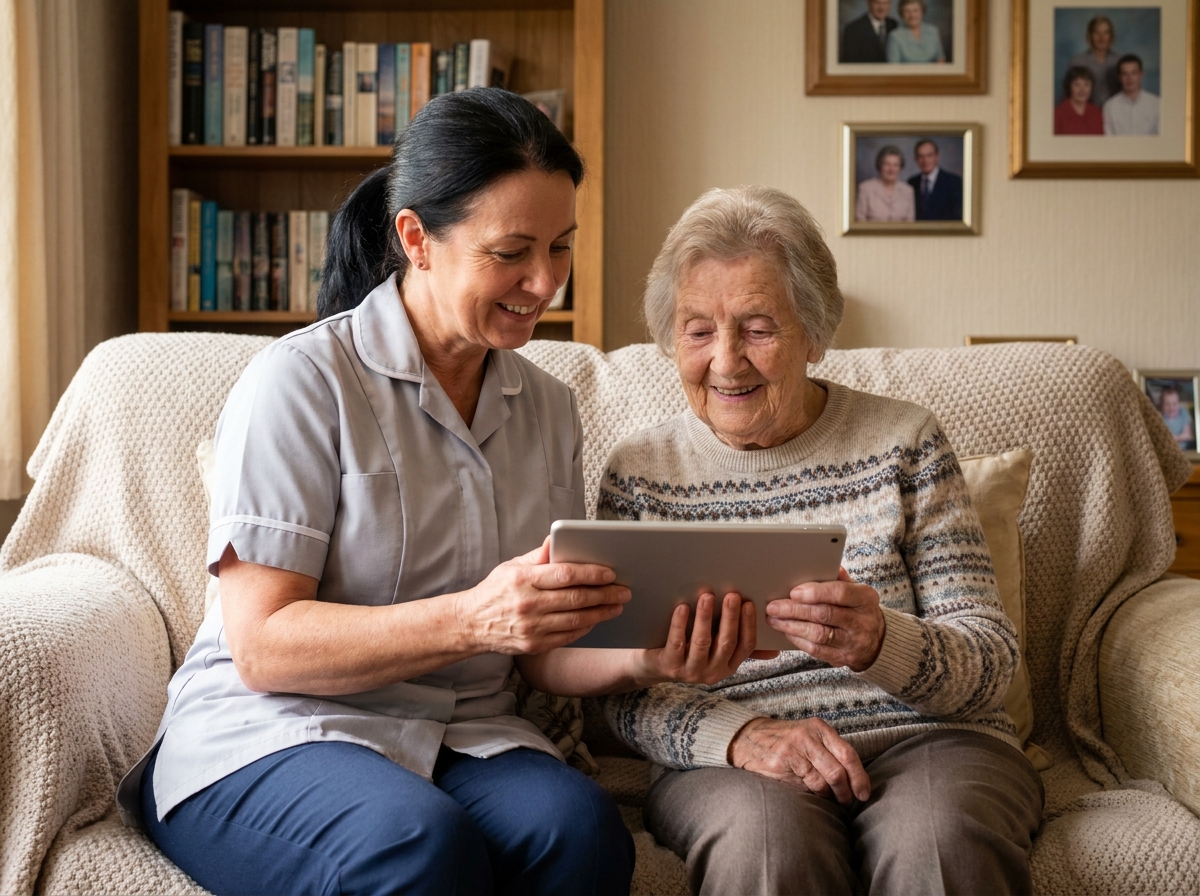
The vast majority of seniors wish to remain in their homes. Home care relies on a combination of services whose relevance depends on the level of residual autonomy.
Home assistance services cover personal hygiene, meal preparation or delivery, home maintenance, and accompaniment to shopping or medical appointments. These interventions often focus on daytime hours. Nighttime remains a frequent blind spot.
For seniors in GIR 1 or 2, nighttime care solutions exist: a home care assistant present at the residence, or remote monitoring via motion sensors and active teleassistance. The cost of nighttime care is high, but the APA can partially cover it according to the aid plan.
- Meal delivery ensures regular nutritional intake, a direct factor in preventing falls and cognitive decline
- Friendly visits, offered by some associations, maintain social connections for isolated individuals
- Daycare services provide a few hours of cognitive and physical stimulation outside the home, while relieving caregivers
The challenge is not to multiply the number of caregivers, but to coordinate them. A well-constructed aid plan avoids overlaps and uncovered time slots. The departmental public service for autonomy should ultimately facilitate this coordination.
The preservation of seniors’ autonomy relies less on a miracle solution than on the fine articulation between GIR assessment, housing adaptation, home services, and legislative framework. The 2024 law lays the foundations, but its effective implementation in each department remains the true determinant of the quality of life for the elderly.